

Busting five myths about zero trust security
3 minute read
Jonny Scott
August 5th, 2025
While many organisations understand its value, misconceptions about what zero trust is (and isn’t) remain. In this blog, we’re busting five of the biggest myths stopping teams from adopting this approach.
But first discover more about what is zero trust security, and how do ZTNA and SASE come into it?
Myth one: zero trust means “zero access”
Let’s start with the name. “zero trust” doesn’t mean denying all users or treating everyone as a threat, it means no one is trusted by default. The model assumes that threats can come from inside or outside the network, so access must be verified continuously and based on factors like identity, device, and behaviour. The goal isn’t to block access, it’s to grant the right access to the right people, at the right time, under the right conditions.
Myth two: zero trust is only for large enterprises
While it’s true that many large organisations were early adopters, zero trust is just as valuable, and often more urgent, for smaller organisations. With limited IT resources and increasing threats, small and mid-sized businesses benefit greatly from zero trust strategies like Zero Trust Network Access (ZTNA), which offer tighten control and reduced exposure without the complexity of traditional security stacks.
Myth three: you must replace all your systems to implement it
Zero trust is not a rip-and-replace model. It’s a strategic approach that can be implemented gradually. Most organisations start by protecting their most critical assets and expanding from there. With modern cloud-native solutions like ZTNA and SASE, you can build on what you already have, integrating with your existing identity, endpoint, and network tools.
Enjoying this content? Don’t miss out!
Join now to keep informed on all things IT. Sign up below.
Myth four: it’s only relevant for remote work
Zero trust became a hot topic during the remote work boom, but it’s not limited to securing remote access. It’s about protecting your environment as a whole, whether your users are in the office, at home, or on the move. As hybrid work and cloud adoption continue to grow, zero trust ensures consistent security wherever your people and data are.
That’s where Phoenix come in. In partnership with Surecloud, we can ease the pain points faced with a platform that can be tailored to start small and scale as your team matures.
Myth five: zero trust is a product you can buy
Here’s the key: zero trust is a framework, not a single solution. You can’t “buy zero trust” off the shelf. Instead, it’s about combining the right policies, tools, and processes, like multi-factor authentication, identity and access management, ZTNA, and continuous monitoring, to enforce trust at every level.
Zero trust, real results
Zero trust is a practical, proven way to reduce risk, improve visibility, and future-proof your security. By challenging these common myths, you’re already one step closer to building a stronger cyber strategy.
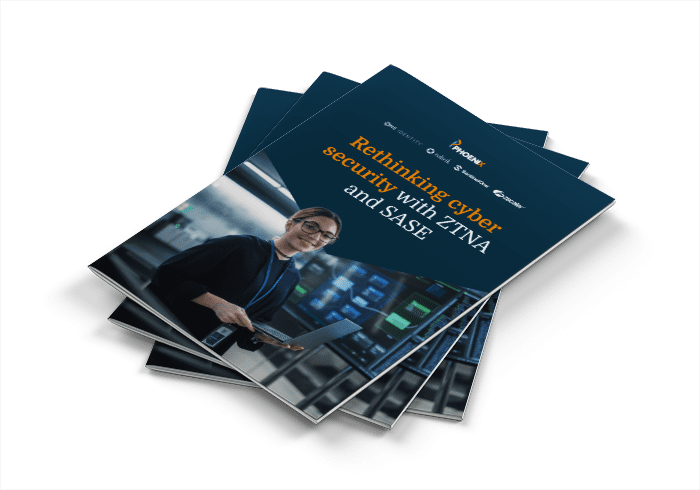
If you’re ready to explore how zero trust could work in your organisation, read our whitepaper or get in touch.

About the author
Jonny Scott, Head of Cyber Advisory.
Beginning his career in IT at 17, Jonny first built a strong foundation in Corporate Sales, where he developed a deep understanding of customer needs and the commercial drivers behind technology adoption. Even in these early years, long before cyber security became the priority it is today, Jonny was drawn to the challenge and importance of helping organisations protect their people and data. This ambition guided his move into more strategic roles within business development, building out a security focused strategy for Phoenix.