


Windows 10 End of Life: turning an environmental challenge into an opportunity
4 minute read
Jennifer Clewley
September 3rd, 2025
October 14th 2025 marks the End of Support for Windows 10 (and happens to be e-waste day). It could also end up being one of the largest e-waste disasters in recent history. But with the right approach, organisations can transform this challenge into a sustainability success story.
IT needs updating, and the move that Microsoft is making into Windows 11 is a huge step for modern technology. However, it also leads to an estimated 240 million PCs worldwide becoming nearly obsolete overnight. These devices, many still functional, fail to meet Windows 11’s strict hardware requirements, lacking TPM 2.0 chips and newer processors.
Without security updates, these machines become liability risks. The likely result? A massive wave of premature device disposal, despite the hardware having years of useful life remaining.
Smart alternatives to mass replacement
Rather than rushing to replace every Windows 10 device, organisations have several strategic options. Microsoft’s Extended Security Updates (ESU) programme offers paid support beyond 2025, providing breathing room for planned transitions rather than rushed replacements. Lightweight Linux distributions can give older hardware new life while maintaining security and functionality. The key is selective upgrading, replacing only devices that truly need Windows 11’s features while repurposing others for appropriate roles within your organisation.
Building a sustainable IT strategy
Focus on total environmental cost of ownership
Smart device selection goes beyond initial price tags. Prioritising durability means choosing repairable, upgradable devices that can adapt to changing needs over time. Right-sizing specifications to match actual user requirements prevents both resource waste from over-specifying and premature replacement from under-specifying. Modern processors and solid-state drives also deliver significant reductions in ongoing energy costs and carbon emissions compared to older hardware.
Innovative procurement
Device leasing offers advantages for organisations seeking sustainable IT solutions. This approach provides access to the latest energy-efficient technologies while establishing predictable refresh cycles that prevent hoarding of outdated equipment. Most leasing agreements include built-in maintenance that extends device lifespans, and professional refurbishment ensures responsible end-of-life management when devices are returned.
Cloud-first computing represents another transformative approach. Solutions like Windows 365 Link enable thin-client devices that consume minimal power while delivering full productivity capabilities through cloud-delivered applications.
Your Windows 11 deployment guide
Your organisation needs to upgrade to Windows 11, but moving your estate over can be complex without the right tools. Our specialists put together a simple deployment guide, providing you with the steps needed to ensure a smooth migration.
Download the eBook for free now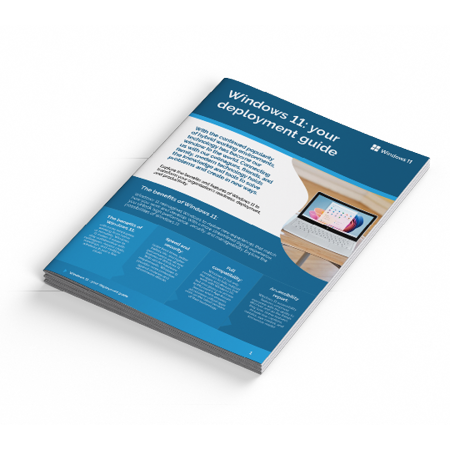
Turning crisis into opportunity
The Windows 10 EOL deadline represents more than a compliance requirement, it’s an opportunity to transform. If your organisation approaches this transition strategically, you will reduce your environmental impact while controlling costs, future-proof IT infrastructure for emerging technologies, and demonstrate environmental leadership in an increasingly sustainability-conscious market.
The October 2025 deadline is coming quick, and sustainable IT transitions require careful planning. Organisations starting their planning now can make thoughtful decisions that balance security, functionality, cost, and environmental responsibility.
Talk to a Sustainability Specialist
Book a free one-to-one call with our IT Sustainability Specialist to discuss your plan of action for Windows 10 End of Support.
Get in touch

About the author
Jennifer Clewley, ESG Manager
Jen Clewley has worked in our Cloud and AI Solutions team since 2021 and specialises in Sustainability. She is responsible for delivering initiatives that help to reduce the carbon emissions of IT services and also leading on our social value programme delivering a positive impact in the communities in which we work. Jen has a wealth of experience from local government and the private sector to help organisations work towards sustainable and responsible IT services. She is outcome driven, delivering projects with strong stakeholder engagement to overcome challenges, while improving and enhancing services delivered by our customers.